What "Clean Loads" Really Mean in Pallet Liquidation Sales
“I don’t want cheap inventory. I just want clean loads that actually sell.”
You hear that phrase from experienced liquidation buyers over and over. And it uncovers a deeper truth about the secondary market: Most losses for buyers don’t come from overpricing they come from murky inventory standards.
In pallet liquidation, the difference between success and frustration often boils down to one thing: whether that load was built for resale, or just plain built. This article explains exactly what clean resellable inventory is, how to evaluate it before buying and how to avoid sourcing mistakes that stunt growth.
Understanding the Reality of Pallet Liquidation Sales
Simply put, pallet liquidation sales are a way to get access to brands’ inventory at much reduced cost, but because they’re not uniform. Two pallets in the same category say, “customer returns” or “overstock” can yield wildly different results based on delivery if they had very different processing done to them.
Clean loads are not accidental. They are due to organized intake, uniform grading, and reliable recording. Loads without these basics often push risk downstream right to the buyer.
This is why professional buyers never ask, “How cheap is it?” and begin to ask “How clean is it?”
What Buyers Actually Mean by “Clean Loads”
A clean load does not mean flawless inventory. It means predictable inventory.
Clean loads are defined by:
- Clear resale paths
- Transparent condition disclosure
- Documentation that matches physical reality
They reduce guesswork and allow buyers to plan pricing, channels, and turnover before inventory arrives not after.
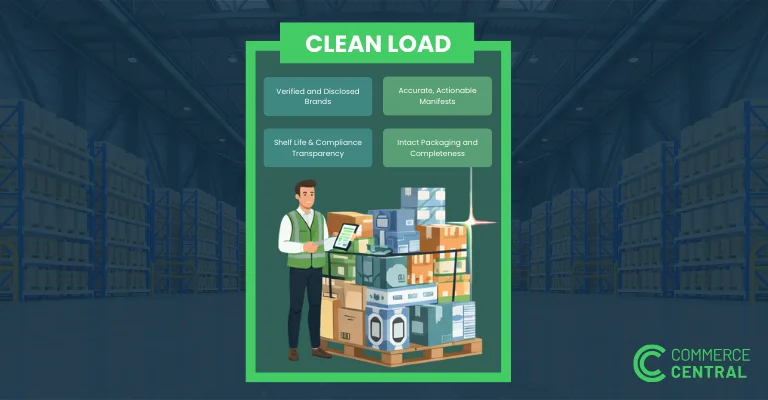
The Buyer’s Checklist for Clean, Resellable Inventory
- Verified and Disclosed Brands
Clean loads identify:
- When referring to a particular brand that is known by its trademark ($.05 generic aspirin but Bayer Aspirin)
- Marketplace limitations
- Gated or limited Brand disclosures
Listings that avoid naming brands or rely on vague phrases like “mixed major retailers” create unnecessary risk.
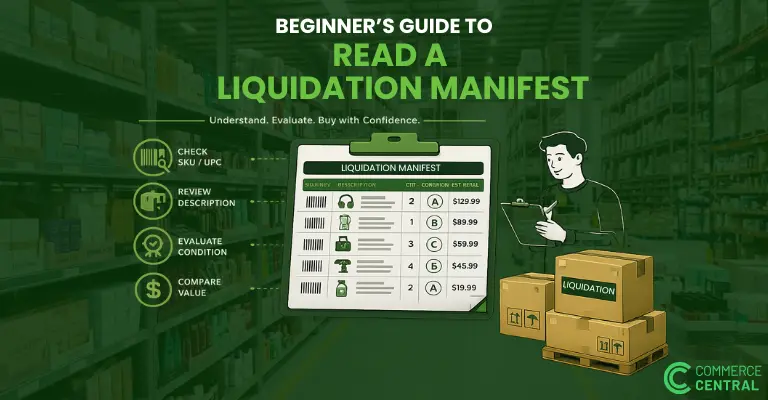
- Accurate, Actionable Manifests
A clean manifest includes:
- The count of units at SKU or category level
- Grading system based on defined conditions grope.
- Reasonable - I can see myself buying this in the store
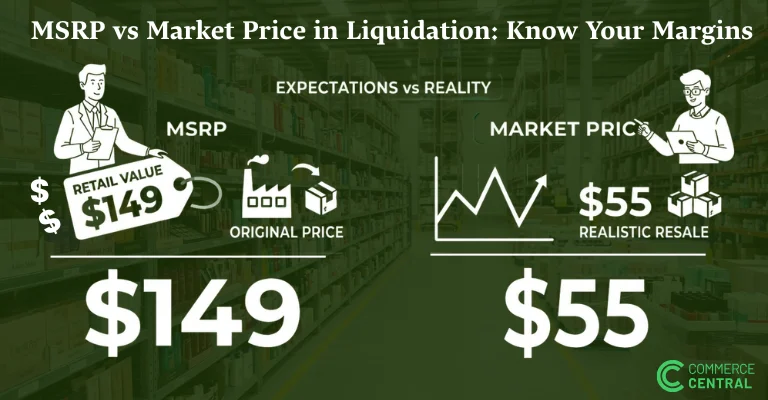
Bloated MSRP or bundled pallet price is a warning sign of trashy load quality.3. 3. Shelf Life and Compliance Transparency
- Shelf Life and Compliance Transparency
Disclose majorly for beverages, cosmetics, or health-related items:
- Expiration or Best by range
- Who is Eligible to Comply.
- Explicit exclusions for expired or subject to holding period shares
Ambiguity over shelf life routinely does not result in resale but in write-offs.
- Intact Packaging and Completeness
Shelf-ready inventory should arrive with:
- Retail packaging What's in the box?
- Very slight cosmetic wear
- Most accessories are included
A bit of variation is to be expected, but continual damage to the packaging would indicate poor upstream handling.
- Intentional Load Composition
Clean loads are gathered with resale in mind:
- More organized into the logical Categories
- SKUs are fit to certain resale streams
- No filler stock added to increase the pallet size
Mixed-category “catch-all” pallets can bog down the line and are usually less profitable.
Price Is The Wrong Buying Signal
Cheap doesn’t mean safe. Indeed, poor quality documented loads frequently are cheaper on the surface because they transfer doubts to the buyer.
Experienced buyers ask:
- How is the inventory inspected or graded?
- Just how often does manifest align with actual counts?
- What resale outcomes do similar loads typically deliver?
And the sellers who run clean liquidation channels give clear answers to them. Sellers who don’t usually can’t.
In today’s environment of pallet liquidation sales, rolling with volume is no longer the key to success, resonating with clarity. Chasers of the lowest advertised price find themselves being repeatedly outperformed by buyers seeking clean documentation, transparent grading and resale alignment. Clean liquidation sales minimize operating drag, reduce inventory cycles and establish scalable sourcing relationships.
Good Manifest vs. Bad Manifest: A Practical Comparison
| Feature |
Clean Load |
Risky Load |
| Brand Disclosure |
Fully listed |
Vague or omitted |
| Unit Counts |
SKU/category detail |
Estimated pallet total |
| Condition Info |
Clearly defined |
Mixed |
| Shelf Life |
Date ranges shown |
Not disclosed |
| Retail Value |
Market-aligned |
Artificially inflated |
If a manifest creates confusion, the pallet usually does too.
Why Clean Loads Field is Often the Area for Buyer Growth
Clean sourcing allows buyers to:
- Forecast margins accurately
- Minimize the overhead due to storage and processing
- Lower return rates
- Enter new marketplaces with certainty
More importantly, clean loads allow buyers to scale without operational hell.
How Commerce Central Fits Into This Model
Commerce Central focuses on structured liquidation sourcing to connect buyers and sellers through transparency as opposed to volume dumping. The focus is on:
- Clear manifests
- Real images
- Written inventory policies
- Long source term reliability
This mirrors the trend of liquidation more generally - away from blind buying and toward trust based commerce.
Clean Loads Are a Requirement, Not a Bonus
Clean loads aren’t premium inventory they are inventory in the condition it’s supposed to be in. There’s supreme strength in clear standards and transparency for buyers if they demand it; by doing so, they mitigate risk and increase the profitability of every channel on which they sell.
The best liquidation buyers do not tolerate ambivalence. They eliminate it.
FAQ (For SERP Enhancement)
What exactly are clean loads in pallet liquidation?
Clean loads are liquidation pallets that will have manifest, verified brands, clean condition grading, and inventory worth reselling without high amounts of sorting or loss.
How can I tell if a liquidation pallet is shelf ready?
Shelf Sample Pallets will contain unvented packaging, accurate Manifest / Mfg Lot #’s, no known brand restrictions and explicit compliance or shelf life information where applicable.
Are pallet liquidation sales risky?
Wholesale closeout pallet liquidation sales have risk if you can't see the inventory. Clean, well documented loads greatly reduce the buyer's exposure.
What should a quality liquidation manifest contain?
Good manifests include unit count, brand name(s), condition grade(s), estimated retail value and any notes on compliance or restriction.
Why don’t some liquidation pallets sell?
The majority of the unsellable pallets result from manifest inaccuracy, product expiration or reducing inventory levels and also unfit for category not just pricing.